
E-commerce visits capture an average of 17 minutes of user attention per session
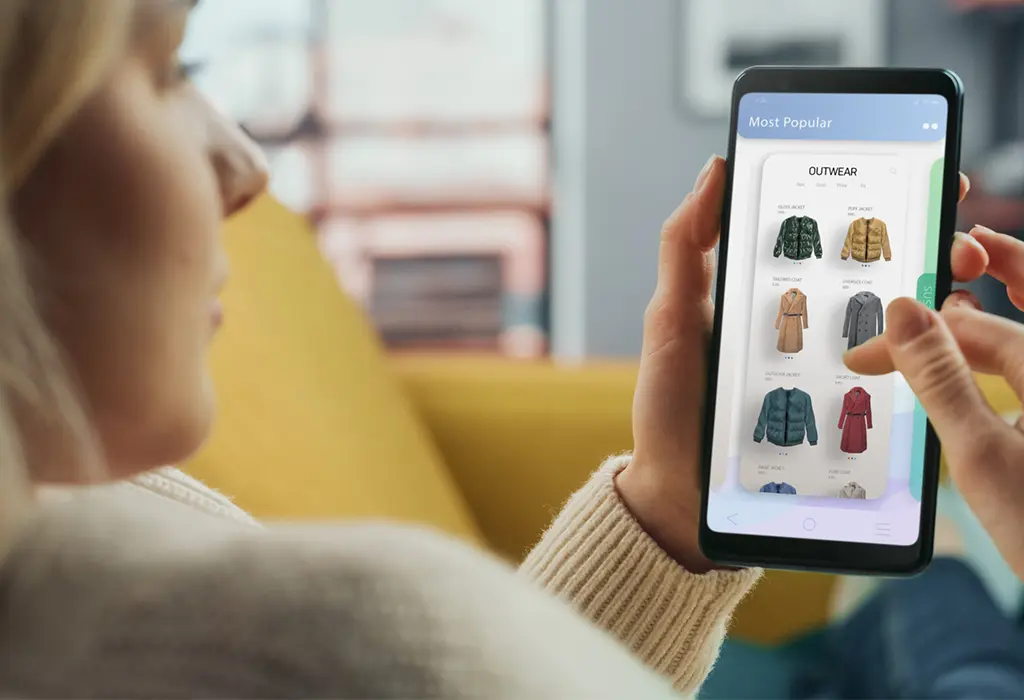
With 67% of shoppers browsing online stores, e-commerce has become a showcase, competing with social media for attention.
- 3 out of 4 shoppers value inspirational content, such as videos and personalized recommendations, integrated into online stores.
- Only 8% of consumers are willing to let artificial intelligence shop autonomously on their behalf.
- The secondhand market is expanding among younger consumers, especially through peer-to-peer platforms.
E-commerce in Spain goes beyond simply clicking and paying. According to the 6th Veepee-IESE Study on the Future of E-commerce in Spain, 67% of consumers browse online stores to research, compare and discover products.
The study, conducted by IESE marketing professor Inigo Gallo in collaboration with the French online retailer Veepee, analyzes shopping habits, consumer expectations and trends shaping online retail.
In a market where 54% of Spaniards say they increased their purchases compared with the previous year, and 57% report spending more, growth is strong across all generations.
Beyond the shopping cart
E-commerce has become a showcase, competing with social media for something scarcer than money: attention. Most consumers browse online stores without planning to make an immediate purchase, with millennials aged 31 to 45 leading this behavior, at 73%.
This “scroll shopping” has become part of consumers’ digital routines, with an average browsing time of 17 minutes per visit. The figure is consistent across generations and is now more common than browsing in physical stores (51% versus 38%).
Online retail creates value during browsing beyond the moment of purchase. Alongside conversion, the ability to retain users and provide useful content has become a key strength of the channel. Three out of four shoppers value inspirational content such as videos and personalized recommendations integrated into platforms.
From mobile natives to engaged seniors
There is no single type of online shopper. Generation Z, aged 16 to 30, leads in mobile-first, omnichannel engagement: 91% use their smartphones even inside physical stores to compare prices or share product photos. For them, the store is also a screen.
Baby boomers, aged 61 to 75, follow a different path. They prioritize trust and simplicity and are leading the shift toward environmentally conscious logistics: 61% prefer sustainable delivery even if it takes longer, compared with 46% of Gen Z, who still prioritize speed.
Across the population overall, sustainability is a leading preference, at 54%. Logistics priorities reflect the same shift, with delivery value moving away from real-time tracking toward flexible delivery times and pickup points.
Artificial intelligence as an assistant, not a decision-maker
63% of Spanish shoppers use AI at some point during the shopping process, 13 percentage points more than the previous year. Consumers mainly use AI in the early stages to search for information, compare options and find deals. When it comes time to decide and pay, most still prefer to do it themselves.
AI use is growing, but delegation remains limited. Only 8% are willing to let an AI agent act autonomously, while 38% prefer receiving recommendations and making the final decision themselves.
70% would not currently pay for an AI shopping assistant. Among those who would, interest is concentrated among millennials.
Secondhand shopping and security concerns
Secondhand shopping is now part of Spain’s e-commerce ecosystem, with 47% of consumers purchasing used goods in the last year. Adoption is highest among Gen Z (68%) and millennials (56%), who increasingly see secondhand goods as a regular alternative to buying new products.
More than half of these purchases (53%) take place on peer-to-peer platforms.
Security remains a major challenge, with 28% of Spanish online shoppers experiencing online fraud in the last year, rising to 43% among Gen Z. At the same time, 33% backed out of an online purchase because they didn’t trust the website’s security.
When products arrive, the biggest disappointments are related not to delivery times but to unmet expectations such as incorrect sizing, different colors or damaged products.
The value of waiting
The shopping process happens across multiple moments: Users enter, pause and return. 63% of shoppers leave products in their carts before completing a purchase, either to think about the decision or wait for a better time or lower price.
The main obstacle is lack of urgency, while the main trigger is a discount or free shipping.
Different generations pause for different reasons. Baby boomers use the pause to plan purchases, while Gen Z often saves items without ultimately buying them. In both cases, the decision is deliberate and conscious.
For e-commerce managers, the challenge is turning waiting time into value.
About the study
The 6th Veepee-IESE Study on the Future of E-commerce in Spain, conducted by Inigo Gallo and Veepee in collaboration with Kantar, analyzed the online shopping habits of 805 consumers aged 16 to 75 in Spain. Fieldwork was carried out between April 7 and April 14, 2026.