Keeping Work Human: AI, Sustainability and Diversity — Juan Antonio Pérez López, 30 Years On
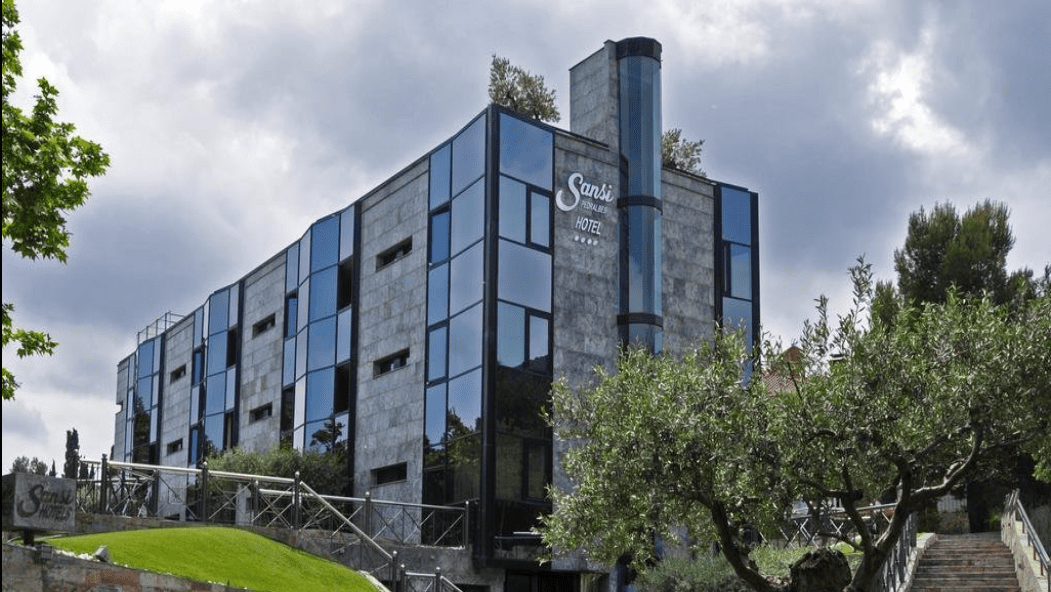
IESE Barcelona - February 11-12, 2027
Work is being reshaped by forces of unprecedented scale and speed. Artificial intelligence is advancing exponentially, sustainability is challenging the moral and economic boundaries of capitalism, and long-standing inequalities—particularly around gender and diversity—are being re-examined amid growing political and organizational backlash. These challenges are often treated as separate policy or management problems. This conference starts from a different premise: AI, sustainability, and diversity are distinct expressions of a deeper and shared organizational problem—how decisions are made when short-term efficiency becomes the dominant criterion of action.
In the language of Juan Antonio Pérez López, the core issue is not technology, sustainability, or diversity per se, but the reduction of organizational action to extrinsic motivations: incentives, outputs, and immediate results. When effectiveness is defined narrowly and in the short term, organizations may appear efficient while simultaneously eroding trust, learning, moral responsibility, and human development. This perspective provides a powerful unifying thread across all three themes and shows why Pérez López’s model is not merely relevant today, but increasingly necessary.
This conference brings these questions into dialogue through the enduring insights of Pérez López, whose theory of human motivation, trust, and organizational purpose offers a rigorous framework for navigating contemporary challenges. In his view, organizations are not merely systems of incentives and control, but communities of persons whose decisions shape learning, trust, and human development over time. His distinction between extrinsic, intrinsic, and transcendent motivations, and his emphasis on long-term effectiveness grounded in trust and learning, illuminate how managerial choices affect not only performance, but also the kind of people organizations form.
This concern resonates deeply with IESE’s mission to form leaders who are good for people, firms, and society. The question at stake is not only how organizations function, but what kind of leaders, professionals, and citizens they produce when decision-making is mechanistic, short-termist, or purely instrumental.
Thursday, February 11, 2027
19:00 Alumni Session (En español)
Cuando el éxito engaña: decidir más allá del resultado
- Miguel Ángel Ariño, IESE Business School
- Nuria Chinchilla, IESE Business School
- Pilar García-Lombardía, IESE Business School
- Moderator: John Almandoz, IESE Business School
20:00 pm Cocktail
Friday, February 12, 2027
8:30 Registration
9:00 am Session 1
AI and the Future of Work
Presenter: Sampsa Samila, IESE Business School
Artificial intelligence is transforming work at an exponential pace. Rule-based and routine tasks are increasingly outsourced to algorithms and agentic AI systems, raising widespread concerns about job displacement (especially for the young), deskilling, and the erosion of human judgment. At the same time, AI promises productivity gains that could free humans to focus on more complex, relational, and meaning-laden forms of work.
Discussant: Miguel Ángel Ariño, IESE Business School
AI brings into sharp focus a central Pérez López question: are organizations using technology to deepen human learning and responsibility—or to bypass them altogether? What kind of professionals are formed when judgment is outsourced, responsibility diluted, and learning short-circuited in the name of speed and efficiency? This session examines AI not only as a technological shift, but as a human challenge. What happens to trust—between workers, managers, and machines—when decisions are increasingly automated? How should responsibility be allocated in human–AI collaboration, and what are the implications for attention, moral agency, and human connection?
10:30am Coffee Break
11:00 am Session 2
Women and Diversity at Work
Presenter: Franca Ovadje
Despite decades of progress, gender inequality remains deeply entrenched—particularly at the top of organizations. Women remain underrepresented among CEOs and senior executives of leading firms, while continuing to shoulder a disproportionate share of work in their families. At the same time, diversity initiatives are facing political backlash and visible retreats from corporate commitments.
Discussant: Nuria Chinchilla, IESE Business School
Pérez López’s framework helps explain how systems overly focused on extrinsic incentives reproduce inequality while neglecting the intrinsic and transcendent motivations required for inclusive leadership and shared responsibility. This session approaches gender and diversity not only as questions of quotas, but as issues of complementarity, flexibility, and responsibility. When gender diversity is treated as a concern managed for compliance, or signaling it often fails to transform underlying decision logics.
12:30 am TBC
13:00 pm Lunch
2:00 pm Session 3
Sustainability and Purpose
Presenter: Fabrizio Ferraro
Climate change, inequality, and social fragmentation have intensified debates about the purpose of the firm. Organizations are increasingly held accountable for the social and environmental externalities they once ignored. Yet enthusiasm for “purpose” coexists with polarization and skepticism about the practical limits of stakeholder capitalism.
Discussant: John Almandoz.
Pérez López’s contribution lies in his insistence that purpose must be operative rather than rhetorical: it must guide decision-making in ways that build long-term learning and trust across stakeholders. His theory of organizational effectiveness challenges short-term profit maximization and helps explain why purpose-driven organizations are often both more human and sustainable over time. This perspective is helpful to examine implications of external pressures and internal moral commitments for people, firms, and society.
3:30 pm Closing
Across these contemporary challenges—integration of AI, sustainability, and gender diversity— Juan Antonio Pérez López offers a unifying perspective. He reminds us that organizational decisions are never neutral: they shape people over time, educate motivations, and build—or erode—trust. When organizations prioritize short-term efficiency at the expense of learning and responsibility, they risk becoming effective in appearance while impoverishing the human beings who inhabit them.
In an age of intelligent machines, sustainability imperatives, and contested diversity agendas, Pérez López challenges leaders and scholars alike to ask not only what works, but what kind of people—and what kind of society—our organizations are producing. This question lies at the heart of IESE’s educational mission and gives this conference its coherence and urgency.

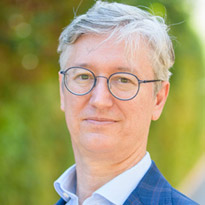

Pilar García-Lombardía